
ADVERTISEMENT
Why Some Caps Have No Visible Hole
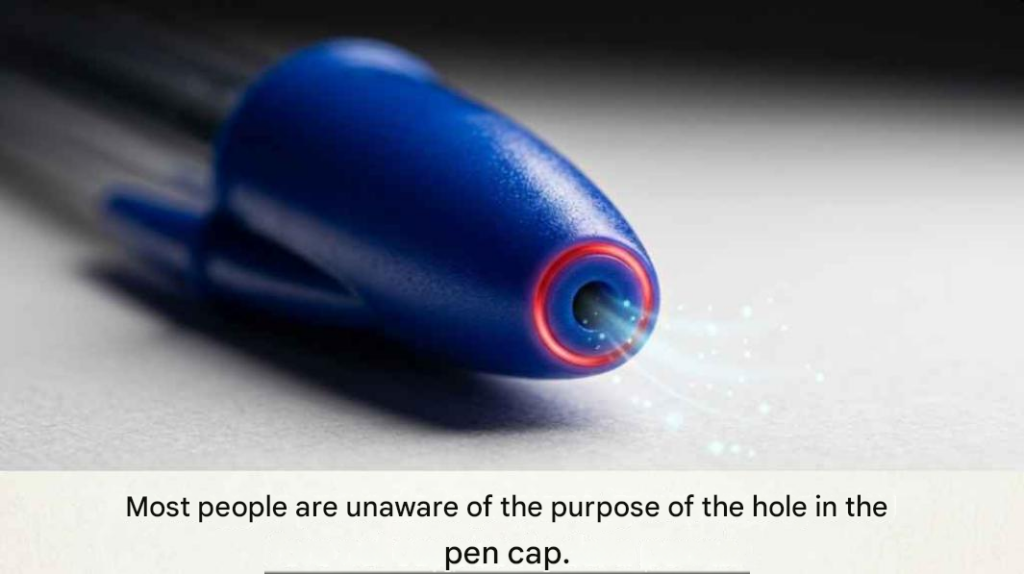
Not every pen cap looks ventilated.
There are several possible reasons:
The vents may be on the sides
Some caps use narrow side openings instead of one large hole at the top.
ADVERTISEMENT
The airflow channel may be hidden
The cap may include an internal path that is difficult to notice from the outside.
The cap may be large
A larger cap or a specially shaped cap may be designed to reduce the likelihood of entering and sealing the airway.
The pen may be intended for adults
Certain professional, technical, decorative, or luxury pens may fall into a different product category from everyday school supplies.
The pen may be retractable
Click pens and twist pens do not need removable caps. This removes the loose cap but does not eliminate every small-part risk.
A pen without an obvious hole is not automatically unsafe. The complete design, intended user, and applicable safety requirements all matter.
Why Children Need Extra Protection
Young children often explore unfamiliar objects by placing them in their mouths. Older children may chew on caps while concentrating without thinking about the danger.
Pens are especially easy to overlook because they are common in:
- Classrooms
- Backpacks
- Home offices
- Kitchen drawers
- Cars
- Waiting rooms
- Craft areas
A familiar object can still create a serious hazard.
Parents, teachers, and caregivers can reduce the risk with a few simple habits:
- Choose age-appropriate writing tools
- Store loose caps out of reach
- Replace cracked or damaged pens
- Discourage chewing on writing supplies
- Avoid allowing children to walk or run with pens in their mouths
- Supervise very young children during drawing and craft activities
- Consider retractable or larger-format writing tools when appropriate
These precautions are more reliable than depending on the ventilation hole.
What to Do If Someone Chokes on a Pen Cap
A person who cannot breathe, speak, cry, or cough effectively may have a severe airway obstruction.
Call 911 immediately and provide choking first aid if you are trained to do so. Follow the emergency dispatcher’s instructions.
Do not assume the hole in the cap will keep the person safe. Even a ventilated cap can block the airway or shift into a more dangerous position.
Avoid blindly placing your fingers inside the person’s mouth. This can push the object deeper. Only remove an object when it is clearly visible and can be reached safely.
First-aid recommendations differ for infants, children, and adults. Taking a recognized first-aid and CPR course can help you respond more confidently during an emergency.
If a person swallows a cap but appears to be breathing normally, contact a healthcare professional for guidance. Seek urgent help if there is persistent coughing, difficulty swallowing, chest pain, drooling, vomiting, or trouble breathing.
More Hidden Features in Pen Design
The cap hole is only one example of practical engineering in a simple writing tool.
Other small features may include:
The clip
The clip allows the pen to attach to a notebook, pocket, folder, or bag. It may also help prevent some pens from rolling away.
The inner cap
This smaller seal helps protect the writing tip and slow ink drying.
The barrel vent
On certain pens, an opening in the barrel may help manage pressure inside the ink system.
The grip texture
Ridges, rubber sections, or shaped surfaces may make the pen easier to hold and control.
The transparent barrel
A clear body allows the user to see how much ink remains.
The retractable mechanism
A click or twist system protects the writing tip without requiring a separate cap.
Each feature solves a different problem. What looks like a simple plastic pen is actually a collection of small design decisions involving safety, comfort, reliability, and manufacturing.
See more on the next page to continue reading →
ADVERTISEMENT