ADVERTISEMENT
A Ventilated Cap Is Still a Choking Hazard
One of the most important points to understand is that a ventilated cap is not safe to put in the mouth.
It can still:
- Become lodged in the throat
- Partially or completely restrict breathing
- Cause coughing or injury
- Become stuck in the digestive tract if swallowed
- Require professional medical removal
The small opening can also become blocked depending on the cap’s position, saliva, damaged plastic, or surrounding tissue.
ADVERTISEMENT
For that reason, the safest habit is prevention. Children and adults should avoid chewing on pen caps or holding them between their teeth.
The hole is a backup safety feature, not permission to treat the cap carelessly.
Does the Hole Help the Pen Write?
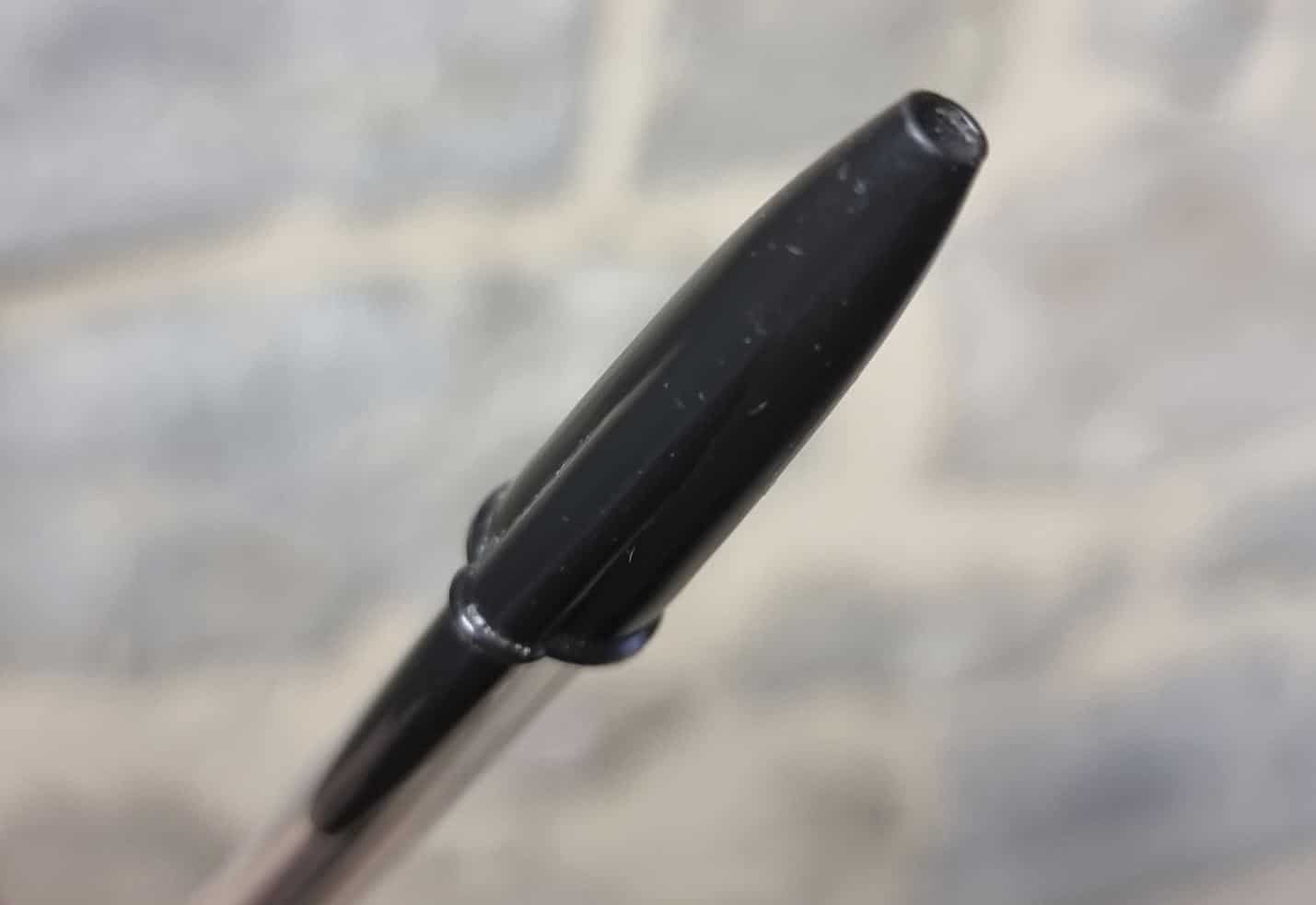
This is one of the most common explanations found online, but it usually confuses two different parts of the pen.
The hole in the removable cap is mainly related to safety. It generally does not regulate ink flow while the pen is being used because the cap is no longer covering the writing tip.
Some pens do require air to enter the ink system as the ink leaves the cartridge or barrel. That pressure-balancing function may be handled by:
- A small opening in the pen barrel
- An internal air channel
- The structure of the ink refill
- A feed system in a fountain pen
- A specialized reservoir design
A hole located in the pen body may therefore support the writing mechanism. A hole at the end of the removable cap normally serves a different purpose.
Knowing this distinction helps explain why some capless pens still have tiny openings in their barrels.
Why the Ink Does Not Dry Out
It may seem logical that a hole in the cap would expose the pen tip to air and cause the ink to dry out. In a properly designed pen, however, the outer cap and the inner seal do not necessarily perform the same job.
Many caps contain an inner section that fits closely around the writing tip. This inner seal helps reduce direct air exposure and protects the tip from drying, damage, and accidental marks.
The outer part of the cap may still include a ventilation opening for safety.
In other words, the pen can have both:
- An outer airflow feature for cap safety
- An inner seal that protects the writing tip
A pen that dries out quickly may have a damaged or loose cap rather than a problem caused by the visible hole.
Other possible causes include leaving the pen uncapped, storing it in excessive heat, failing to close the cap fully, or using a pen with an old refill.
Is the Hole There to Save Plastic?
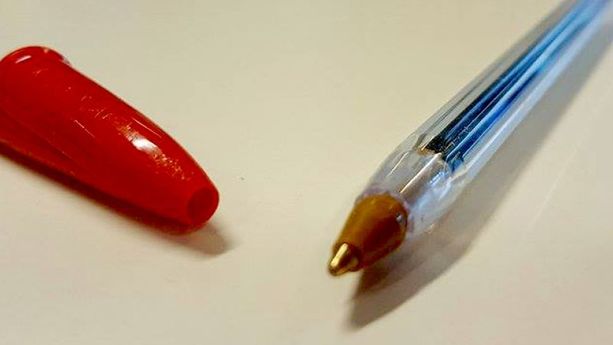
The opening technically removes a small amount of material from the cap, but there is no strong reason to describe plastic savings as its main purpose.
The amount of plastic removed from a single cap is extremely small. Even across a large production run, the design would still need to satisfy durability, manufacturing, and safety requirements.
A company may consider material efficiency when designing any product, but the well-established purpose of ventilation in many pen caps is reducing the risk of asphyxiation.
Claims that the hole exists mainly to lower production costs should be treated carefully unless a manufacturer provides specific evidence for a particular pen design.
See more on the next page to continue reading →
ADVERTISEMENT
ADVERTISEMENT