
ADVERTISEMENT
The way you sleep can affect snoring, acid reflux, breathing, neck comfort, and how rested yvent a heart attack, or add years to your life go far beyond what current research can prove.
There is no single best sleeping position for every person. Side sleeping is often helpful for people with obstructive sleep apnea or nighttime reflux. Back sleeping may be comfortable for the spine but can worsen airway obstruction in some sleepers. Stomach sleeping may reduce snoring for certain people, yet it commonly places the neck in a rotated position.
The best choice depends on your symptoms, health conditions, pregnancy status, and whether you can sleep comfortably through the night.
ADVERTISEMENT
The Quick Answer
For many adults, sleeping on either side is a practical starting point. It may help keep the airway more open than back sleeping and can reduce pressure on the lower back when a pillow is placed between the knees.
The left side may be especially useful for people with nighttime acid reflux. During later pregnancy, side sleeping is generally preferred, but either the left or right side can be acceptable.
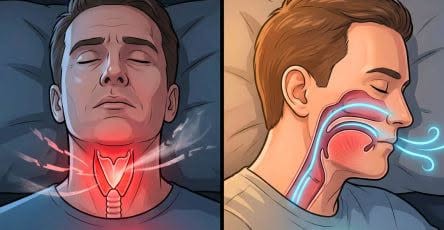
Back sleeping is not automatically dangerous. However, people who snore loudly, stop breathing during sleep, or wake gasping may experience worse obstructive sleep apnea while lying on their backs.
Side Sleeping
Side sleeping is the most common position for many adults and can be comfortable when the head, neck, and hips are properly supported.
Potential advantages include:
- Less snoring for some people
- Fewer breathing events in positional sleep apnea
- Better comfort during later pregnancy
- Less nighttime reflux when sleeping on the left
- Reduced lower-back pressure with a pillow between the knees
A supportive pillow should keep the head level rather than tilting it sharply toward the mattress or ceiling. People with broad shoulders may need a thicker pillow than people with narrow shoulders.
Placing a pillow between the knees can also prevent the upper leg from pulling the hips and lower back forward.
Side sleeping is not perfect for everyone. It may aggravate shoulder pain, cause arm numbness, or create pressure around the hips. Switching sides and adjusting pillow height may help.
Does Side Sleeping Clean the Brain?
The brain has a waste-clearance network often called the glymphatic system. Research suggests that this system is more active during sleep.
A frequently repeated claim says that side sleeping clears brain waste better than other positions. That idea comes largely from animal research, including a study in rats that found more efficient waste transport in a lateral position.
The finding is interesting, but it does not prove that people who sleep on their sides will avoid dementia, wake up with a “cleaner brain,” or live longer.
For brain health, getting enough consistent, high-quality sleep is better supported than trying to force one position all night.
Back Sleeping
Back sleeping can distribute body weight evenly and may feel comfortable for people with certain neck, shoulder, or hip problems. A pillow beneath the knees can reduce tension in the lower back.
The main concern is breathing.
When some people lie on their backs, gravity allows the tongue and soft tissues to move toward the airway. This can increase snoring and make obstructive sleep apnea worse.
That does not mean every back sleeper is in danger. Someone who breathes normally, wakes refreshed, and has no major symptoms may be comfortable sleeping on the back.
The warning signs that matter more than the position itself include:
- Loud, frequent snoring
- Pauses in breathing noticed by another person
- Waking up choking or gasping
- Morning headaches
- Dry mouth after sleep
- Excessive daytime sleepiness
- Trouble concentrating
- High blood pressure that is difficult to control
These symptoms deserve medical evaluation. Changing position may help some people with positional sleep apnea, but it is not a substitute for a sleep study or prescribed treatment.
See more on the next page to continue reading →
ADVERTISEMENT