Frequently Asked Questions
What is the healthiest sleeping position?
ADVERTISEMENT
There is no universal healthiest position. Side sleeping works well for many adults, but comfort, breathing, pain, reflux, pregnancy, and medical conditions should guide the choice.
Is sleeping on the left side bad for the heart?
For most people, no. Some may feel the heartbeat more noticeably on the left side, but that does not mean the position is damaging the heart.
Is sleeping on the back dangerous?
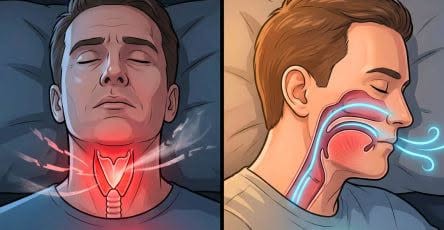
Not for everyone. It may worsen snoring and obstructive sleep apnea in susceptible people. Symptoms such as gasping, breathing pauses, and severe daytime sleepiness should be evaluated.
ADVERTISEMENT
Which side is better for reflux?
The left side is generally more helpful for reducing nighttime reflux than the right side.
How can I train myself to sleep on my side?
Use a supportive body pillow, place a pillow behind the back, and keep another pillow between the knees. Positional devices may help, but persistent sleep-apnea symptoms require medical care.
When should I see a sleep specialist?
Consider an evaluation if you stop breathing during sleep, wake gasping, snore heavily, feel dangerously sleepy during the day, or remain exhausted despite allowing enough time for sleep.
The Bottom Line
The best sleeping position is the one that supports comfortable breathing, protects painful joints, and helps you stay asleep.
Side sleeping is a strong general option and may be particularly useful for positional sleep apnea, reflux, and later pregnancy. Back sleeping can be comfortable but may worsen airway obstruction in some people. Stomach sleeping is possible, though it often places more strain on the neck.
Position matters, but sleep duration, regularity, darkness, daytime light, and treatment of sleep disorders matter just as much. Instead of fearing one position, pay attention to your symptoms and build a sleep routine you can maintain.
ADVERTISEMENT