2. Ginkgo Biloba
ADVERTISEMENT
Ginkgo biloba is commonly sold as a supplement for memory or circulation.
It may increase bleeding risk when taken with warfarin or other blood-thinning medications. Ginkgo may also interact with medicines unrelated to clotting.
Because it is usually consumed as a concentrated extract rather than as a normal food, it deserves more caution than a small amount of a kitchen spice.
ADVERTISEMENT
Do not start ginkgo simply because it is advertised as a natural circulation aid. Ask a healthcare professional to check whether it is safe with your current medications.
3. Omega-3 Supplements
Omega-3 fatty acids are naturally found in foods such as salmon, sardines, walnuts, chia seeds, and flaxseed.
Fish and plant foods can be part of a balanced diet, but concentrated fish oil or omega-3 capsules are different. Higher-dose supplements may affect bleeding time and interact with drugs that influence clotting.
The appropriate amount depends on the person, the medication, and the reason for taking the supplement.
Do not assume that a larger dose provides greater heart protection. Check with a healthcare professional before combining high-dose omega-3 products with blood thinners.
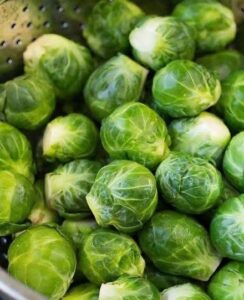
4. Leafy Green Vegetables
Spinach, kale, collard greens, broccoli, and other green vegetables contain vitamin K.
Vitamin K does not thin the blood. In fact, it helps the body produce proteins involved in normal clotting.
The concern is mainly for people taking warfarin. A sudden increase or decrease in vitamin K intake can change how warfarin works.
People taking warfarin are not usually required to avoid vegetables completely. Consistency is often more important.
For example, someone who normally eats leafy greens twice a week should avoid suddenly drinking a large green smoothie every day without discussing the change with the clinic managing the medication.
See more on the next page to continue reading →
ADVERTISEMENT