
ADVERTISEMENT
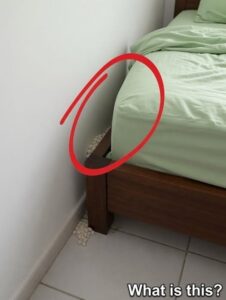
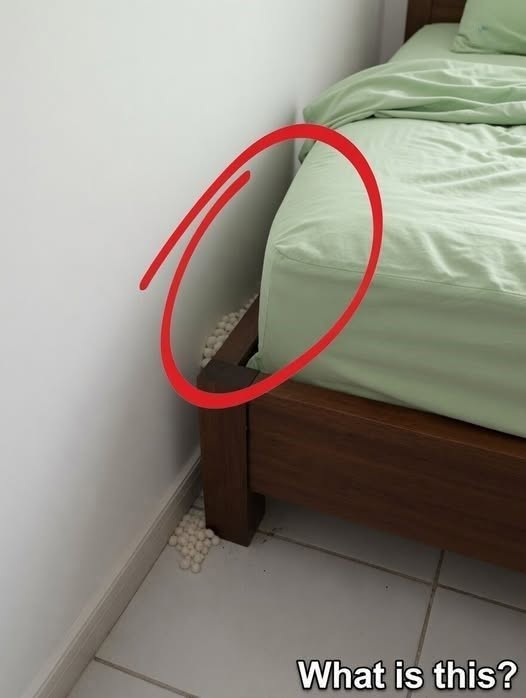
At first glance, they may look like insect eggs, lizard eggs, or something that has appeared overnight. But if the objects are numerous, nearly identical, perfectly round, and extremely lightweight, the most likely explanation is much less frightening.
They are probably expanded polystyrene foam beads that escaped from a damaged pillow, cushion, beanbag, stuffed toy, mattress accessory, or packaging material.
Without a clear photo or physical inspection, no identification can be completely certain. However, a large pile of uniform white spheres does not closely match the typical appearance of house-gecko eggs.
ADVERTISEMENT
The Most Likely Answer
Small polystyrene beads are commonly used as filling in:
- Beanbag chairs
- Neck pillows
- Decorative cushions
- Stuffed toys
- Lightweight bedding products
- Packaging
- Certain mattress toppers
- Shipping materials
A tiny tear in the fabric can release hundreds of beads. Because the beads are extremely light and develop static electricity, they can spread around a room, cling to blankets and clothing, and gather beside furniture.
The original hole may be so small that it is difficult to notice.
Check every pillow, cushion, stuffed item, and fabric-covered object close to the bed. Gently press each one while looking for a small seam opening or loose stitching.
Why They Probably Are Not Lizard Eggs
House geckos can live indoors, especially in warm climates. They often hide in cracks, behind furniture, near windows, or around lights where insects are available.
However, their eggs usually do not look like a pile of manufactured foam balls.
Many common house-gecko species lay only one or two eggs in each clutch. The eggs are generally white, firm or hard-shelled, and round to oval rather than perfectly identical spheres.
They are commonly placed in a protected crevice or attached to a surface. Multiple females can sometimes use the same nesting area, but even a communal nest would normally look more natural and irregular than a pile of dozens of loose, matching beads.
If every object has the same size, color, shape, and texture, a manufactured material is far more likely.
How to Tell the Difference
See more on the next page to continue reading →
ADVERTISEMENT