ADVERTISEMENT
For many types of uncomplicated back pain, staying gently active is more useful than remaining in bed for long periods.
Helpful steps may include:
- Taking short walks
- Changing position regularly
- Avoiding movements that clearly increase the pain
- Using heat for stiffness or cold for a recent painful flare
- Improving lifting technique
- Strengthening the muscles that support the back
- Working with a physical therapist when pain persists
Exercise should begin gradually. Severe pain, weakness, or symptoms that travel down the leg may require professional guidance before starting a new routine.
ADVERTISEMENT
What May Help Knee Pain
Knee pain may improve when the surrounding muscles become stronger and the joint is moved regularly within a comfortable range.
Depending on the cause, a healthcare professional may recommend:
- Low-impact walking
- Cycling
- Water exercise
- Gentle range-of-motion work
- Strengthening exercises
- Supportive footwear
- A properly fitted brace
- Weight management when appropriate
- Heat or cold therapy
Exercise may reduce pain and stiffness in people with knee osteoarthritis, but the program should match the person’s ability and condition.
Pushing through sharp pain or heavy swelling can make an injury worse.
Can Diet Support Joint Health?
A balanced diet may support general health and help with weight management, which can reduce pressure on weight-bearing joints such as the knees.
A practical eating pattern can include:
- Vegetables and fruits
- Beans and lentils
- Whole grains
- Nuts and seeds
- Fish or other lean proteins
- Adequate fluids
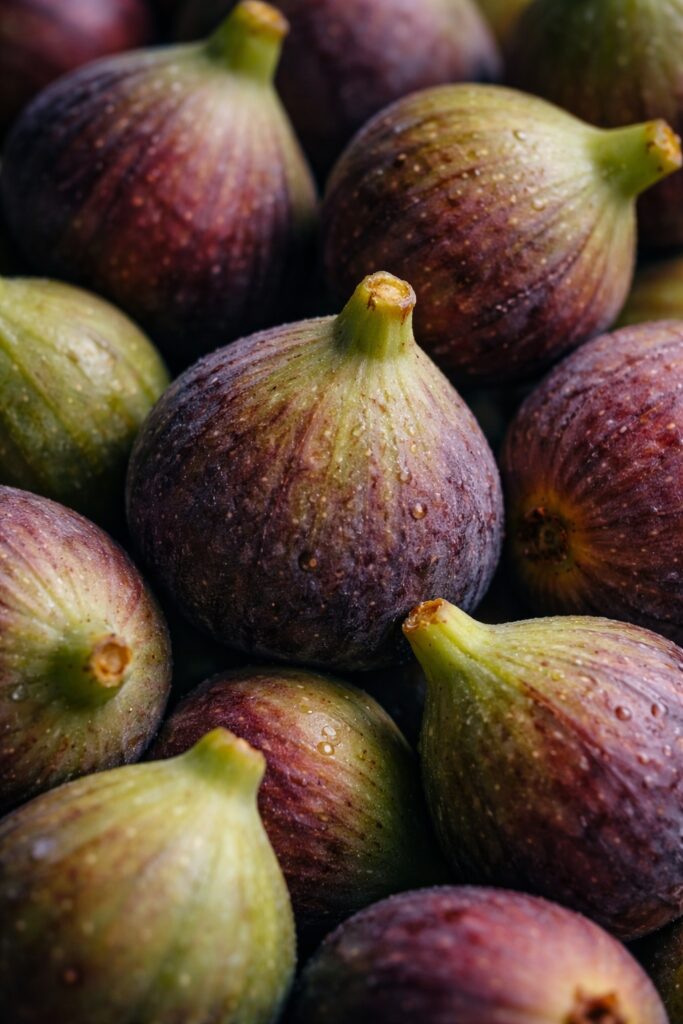
- Reasonable portions of dried fruit
No single ingredient needs to be eaten every day to achieve these benefits.
Instead of searching for one food that “cures” pain, focus on a sustainable diet along with movement, sleep, and appropriate medical care.
When to Seek Medical Care
Contact a healthcare professional if pain:
- Continues for several weeks
- Regularly interrupts sleep
- Limits walking or daily activities
- Is accompanied by persistent swelling
- Began after a fall or injury
- Keeps returning without a clear reason
Seek urgent care for severe back pain with loss of bladder or bowel control, numbness around the groin, major leg weakness, fever, or sudden symptoms after significant trauma.
A knee that looks deformed, becomes extremely swollen, or cannot support body weight also needs prompt evaluation.
Frequently Asked Questions
To learn more, click the (Continue→) button below!
See more on the next page to continue reading →
ADVERTISEMENT