
ADVERTISEMENT
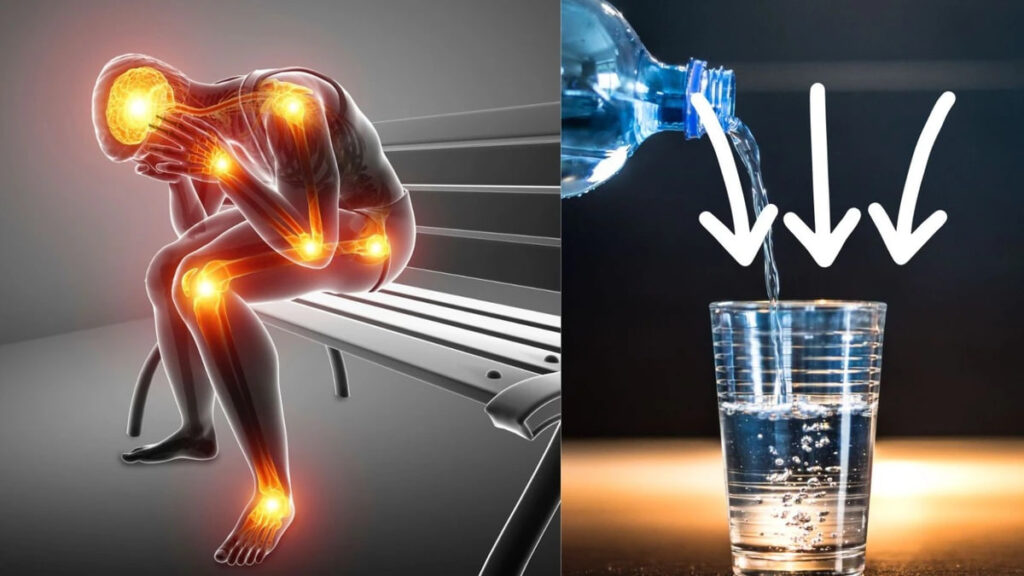
If you have arthritis, you may have seen claims that alkaline, bicarbonate-rich, sulfur, or magnesium water can reduce inflammation and ease joint pain.other form of arthritis, the best water is simply safe water they enjoy drinking regularly. Tap water, filtered water, bottled water, and unsweetened sparkling water can all support hydration.
No particular brand or mineral profile has been proven to repair cartilage, neutralize inflammation, or treat arthritis.
The Quick Answer
Plain water is usually the best everyday choice for arthritis.
ADVERTISEMENT
You do not need expensive alkaline or mineral water to protect your joints. The priority is drinking enough fluid to avoid dehydration while following any restrictions given by your healthcare provider.
People with gout may benefit especially from staying well hydrated, but even then, ordinary water is generally sufficient.
Does Hydration Help Your Joints?
Cartilage contains a large amount of water, and normal hydration supports many functions throughout the body.
However, this does not mean drinking extra water will refill damaged cartilage or reverse osteoarthritis.
Dehydration can contribute to fatigue, headaches, dizziness, and reduced exercise tolerance. These effects may make living with arthritis feel more difficult, especially if pain already limits movement.
Staying adequately hydrated may therefore support comfort and daily activity, but it should not be presented as a direct treatment for joint damage.
Is Alkaline Water Better?
There is no strong evidence that alkaline water treats arthritis.
Claims about “neutralizing an acidic body” are misleading because the lungs and kidneys tightly regulate the pH of the blood. Drinking alkaline water does not meaningfully change the body’s overall blood pH in a healthy person.
Some small studies have explored alkaline water for hydration or digestive concerns, but the evidence is not strong enough to recommend it for osteoarthritis or inflammatory arthritis.
It is generally unnecessary to pay more for alkaline water solely because of joint pain.
What About Bicarbonate-Rich Water?
Bicarbonate-rich mineral water is sometimes promoted as an anti-inflammatory drink.
Bicarbonate does play a role in the body’s acid-base balance, but that does not prove that drinking bicarbonate-rich water reduces arthritis inflammation.
Research on these waters is limited and often focuses on digestion, urinary chemistry, or other health questions rather than joint pain.
Some mineral waters also contain a meaningful amount of sodium. People with high blood pressure, heart failure, kidney disease, or a sodium-restricted diet should check the label before drinking them regularly.
Does Sulfur Water Relieve Arthritis?
Sulfur-containing thermal water is often associated with spa therapy.
Some studies suggest that balneotherapy—bathing in warm mineral water—may temporarily improve pain or function in some people with osteoarthritis.
That is not the same as proving that drinking sulfur water relieves arthritis.
The possible benefits of spa treatment may involve warmth, buoyancy, relaxation, and movement in water, not simply the sulfur content.
Do not drink water from a natural spring or spa unless it has been confirmed safe for human consumption.
Is Magnesium Water Helpful?
Magnesium is important for normal muscle and nerve function, but magnesium-rich water has not been shown to be a reliable arthritis treatment.
If someone has a true magnesium deficiency, correcting it may help related symptoms such as muscle cramps. Most arthritis pain, however, is not caused by magnesium deficiency.
High-magnesium mineral water may also cause loose stools or digestive discomfort in some people.
A balanced diet usually provides magnesium through foods such as beans, nuts, seeds, whole grains, and leafy vegetables.
See more on the next page to continue reading →
ADVERTISEMENT