- Wash only when needed.
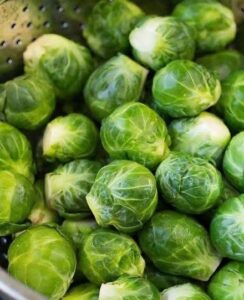
- Remove damaged leaves.
- Store in a breathable container.
- Use a paper towel to absorb excess moisture.
- Keep refrigerated.
ADVERTISEMENT
These simple steps may help greens remain crisp longer.
Give Produce Room to Breathe
Overcrowding can trap moisture and speed up deterioration.
Whenever possible:
ADVERTISEMENT
- Avoid packing produce too tightly.
- Use containers with airflow.
- Remove spoiled items quickly.
- Check produce regularly.
One spoiled item can sometimes affect nearby foods.
Keep Potatoes and Onions Separate
Many people store potatoes and onions together.
While convenient, this may shorten their shelf life.
For best results:
- Store potatoes in a cool, dark place.
- Store onions separately.
- Avoid direct sunlight.
- Keep both dry.
This simple habit can help both foods last longer.
Freeze Foods Before They Go Bad
If you know you won’t use certain foods soon, freezing may be a smart option.
Foods commonly frozen include:
- Berries
- Vegetables
- Bread
- Cooked meals
- Herbs
Freezing can help reduce waste and make meal planning easier.
Common Storage Mistakes
Many households accidentally shorten food life by:
- Washing produce too early.
- Storing all produce together.
- Ignoring humidity settings in refrigerator drawers.
- Leaving damaged produce with fresh items.
- Forgetting older food in the back of the refrigerator.
Avoiding these mistakes can make a noticeable difference.
Easy Habits That Save Money
Keeping food fresh longer often comes down to consistency.
Try to:
- Check produce regularly.
- Use older items first.
- Organize the refrigerator.
- Store foods correctly.
- Plan meals around ingredients you already have.
These habits help reduce waste and improve efficiency.
The Bottom Line
Proper food storage is one of the easiest ways to keep fruits, vegetables, and other ingredients fresh longer.
A few simple adjustments can help reduce spoilage, save money, and ensure that more of the food you buy actually gets eaten.
Sometimes the secret to fresher food isn’t buying more—it’s storing what you already have the right way.
ADVERTISEMENT