ADVERTISEMENT
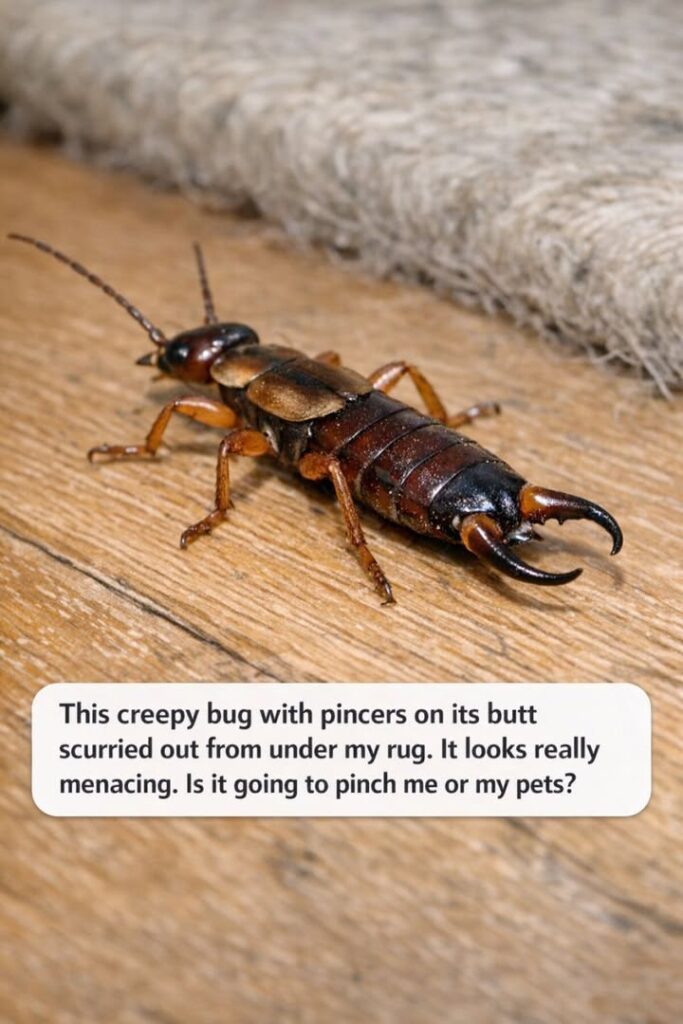
Earwigs typically enter homes while searching for moisture, shelter, and protection from extreme weather conditions.
Common reasons earwigs move indoors include:
Excess Moisture
Earwigs thrive in damp environments. Leaky pipes, wet basements, and humid rooms can attract them.
ADVERTISEMENT
Heavy Rainfall
After periods of rain, earwigs may seek drier shelter indoors.
Seasonal Changes
Extreme heat or cold can drive earwigs inside in search of stable temperatures.
Easy Entry Points
Cracks in foundations, gaps under doors, and poorly sealed windows make it easy for earwigs to enter.
Where Do Earwigs Hide?
Because they avoid light and prefer moisture, earwigs often hide in places homeowners rarely inspect.
Common hiding spots include:
- Under rugs and carpets
- Behind baseboards
- Beneath furniture
- Inside cardboard boxes
- Near sinks and drains
- In laundry rooms
- Around pet water bowls
- Inside basements and crawl spaces
Finding one earwig doesn’t necessarily mean you have an infestation, but it may be a sign that conditions inside your home are attractive to them.
How to Get Rid of Earwigs Naturally
Most earwig problems can be solved without professional pest control.
Reduce Moisture Levels
Since earwigs depend on damp environments, reducing moisture is often the most effective solution.
Consider:
- Repairing plumbing leaks
- Running a dehumidifier
- Improving ventilation
- Drying wet carpets quickly
Vacuum Regularly
Vacuuming helps remove both earwigs and the debris they use for shelter.
Pay special attention to:
- Corners
- Baseboards
- Under furniture
- Closets
- Storage areas
Seal Entry Points
Inspect your home’s exterior and seal:
- Foundation cracks
- Window gaps
- Door thresholds
- Utility openings
This helps prevent future intrusions.
Remove Outdoor Hiding Places
Earwigs often live outdoors before entering homes.
Reduce outdoor populations by removing:
- Leaf piles
- Excess mulch
- Wood stacks near the foundation
- Overgrown vegetation
Preventing Future Earwig Problems
Prevention is often easier than elimination.
To discourage earwigs from returning:
- Keep gutters clean and draining properly
- Store firewood away from the house
- Trim shrubs touching exterior walls
- Fix drainage issues around the foundation
- Use weather stripping around doors and windows
These simple measures can make your home far less attractive to moisture-loving pests.
When Should You Call a Pest Control Professional?
Most earwig encounters can be handled with basic home maintenance.
However, professional assistance may be helpful if:
- Large numbers appear regularly
- Moisture issues are difficult to resolve
- DIY treatments aren’t working
- Outdoor populations are damaging garden plants
A pest control expert can identify hidden entry points and recommend long-term solutions.
Final Thoughts
Discovering an earwig under your rug can be surprising, but it’s rarely a reason for alarm. Despite their intimidating pincers and unusual appearance, earwigs are generally harmless insects that prefer hiding in damp, dark areas rather than interacting with people or pets.
By reducing moisture, sealing entry points, and maintaining a clean environment, you can greatly reduce the chances of future encounters. In most cases, earwigs are simply an occasional nuisance—not a serious threat to your home, family, or pets.
ADVERTISEMENT