ADVERTISEMENT
Have you ever looked at a date on a food package and immediately thrown the item away?
You’re not alone.
Many people assume that every date printed on food packaging indicates when the food becomes unsafe to eat. In reality, food labeling can be more confusing than most people realize.
ADVERTISEMENT
Understanding what these dates actually mean may help reduce unnecessary food waste and make grocery shopping less frustrating.
Why Food Dates Cause So Much Confusion
Walk through any grocery store and you’ll find products labeled with different phrases.
Common examples include:
- Best By
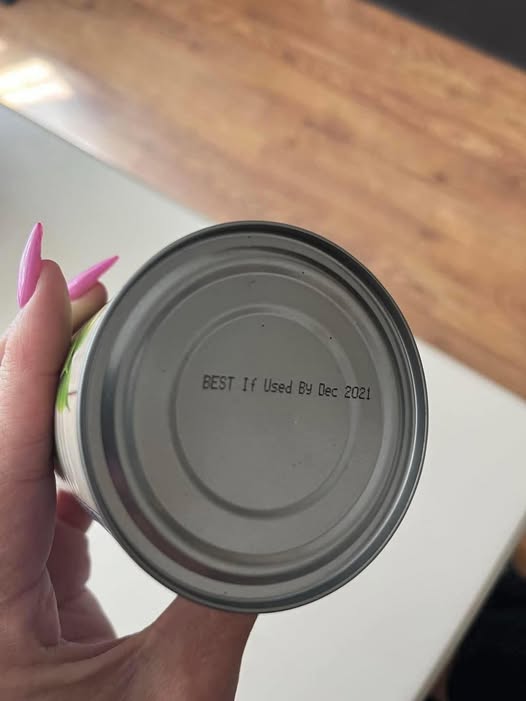
- Best If Used By
- Sell By
- Use By
Because these labels sound similar, many shoppers assume they all mean the same thing.
They don’t.
In many cases, the date refers to quality rather than safety.
What “Best By” Usually Means
A “Best By” date is generally intended to indicate when a product is expected to be at its best quality.
After that date, the food may gradually lose:
- Freshness
- Texture
- Flavor
- Appearance
However, that does not automatically mean the product is unsafe.
Many foods remain usable after the listed date when stored properly.
What “Sell By” Means
The “Sell By” date is primarily intended for retailers.
It helps stores manage inventory and rotate products.
Consumers often mistake this date for a safety deadline, but it is usually meant to guide store operations rather than tell shoppers exactly when to discard food.
What “Use By” Means
See more on the next page to continue reading →
ADVERTISEMENT